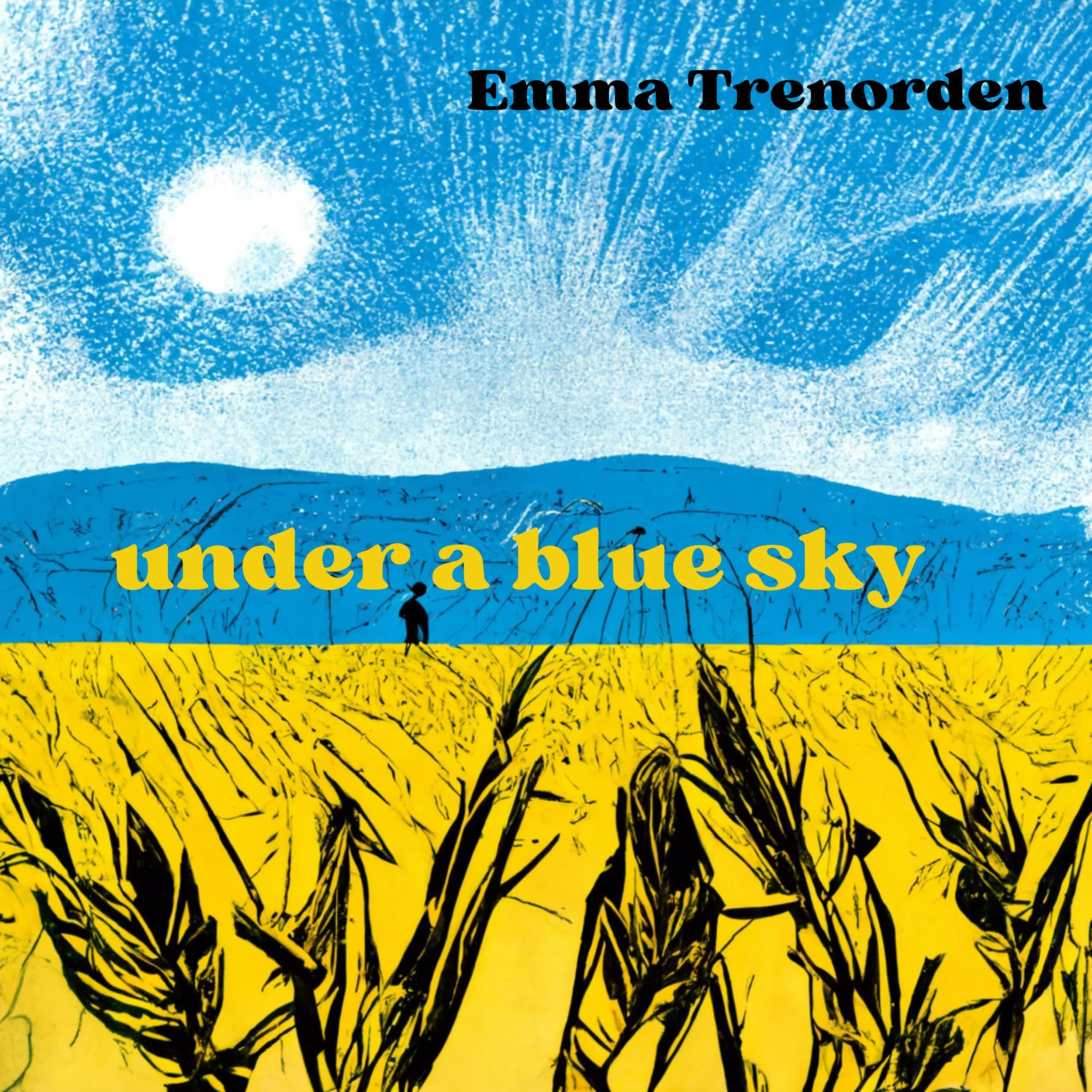
The Shooter

They found The Shooter broken down on the side of the road next to his car.

‘I been out here all day. No good country for hunting!’, he says.

‘Well at least you got something now!’

‘Yeh, but my car’s buggered. Bastard broke my radiator when I bumped him’, he said pointing at the kangaroo.

They drop him off at his house.

‘His family gonna be happy’.

‘Yeh, that bloke cant shit for shooting!’

The Reporter

“We have to shoot something!”, said The Reporter.
Freelance internet reporter. Short and pale skinned, she wore glasses and a red streak in her shoulder length black hair.
“We’ve driven 500 ks. A dirt road, some spinifex and a nice sunset just aren’t going to cut it.”
The Cameraman, smiled conspiratorially.
“We could get creative?”
“What did you have in mind?”, asked The Report.
“I was thinking I could take my shoes off and go for a little walk through the spinifex.”
“That could work!”

The Reporter composed a tweet:

Footprints! Footprints in the sand! More details in tonight’s Videocast #WTF

The Reporter speaks to camera:

“About five days ago while listening to a radio broadcast, I heard The cameleer speculate about a group of Aboriginal people in the remote Central Australian desert living a traditional lifestyle.
“If you follow me on Twitter you will know that I have been investigating this further and that it has led me to this undisclosed remote location where I can now reveal that it appears their existence is real! I know right!
“Behind me you can see two sets of footprints in the sand. Note they are not shoe prints but footprints! One set is large, perhaps that of a man, and the other much smaller, perhaps that of a small woman or child. They crossed the road not far from here and appear to head north across the plain towards the hills you can see in the distance.
“I can’t reveal much more at this stage, but be assured that I am looking into it further and will keep you updated on my progress.
“This is _____ reporting from the Central Australian desert on the trail of Australia’s lost tribe.”

“Let’s watch it and if it looks good we upload it tonight”, said The Reporter. “Hopefully it gets some interest from the commercial stations and this hasn’t been a complete waste of time and money.”
“Should we camp here?”, asked The Cameraman.
“No, let’s go somewhere a little less out in the open.”
“Good luck with that.”

“You know, Aboriginal people used to light fires when they walked across country”, said The Cameraman. “I think they would carry some sort of fire stick. It was a signal to others that they were travelling through the country.”
“But that doesn’t really fit with the whole spin we’re putting on this story”, said The Reporter. “If they’re avoiding us why would they be lighting fires?”
“Maybe they don’t know about us?”, said The Cameraman.
“But they would have seen cars, roads, dams and fences. They must have decided to avoid civilisation and would have to be careful about being inconspicuous to avoid discovery. It just doesn’t make sense?”
“Maybe it’s someone else?”
“Out here? Not likely.”

“Here you can see I am standing next to a dripping tap at what appears to be a long abandoned Outstation. What’s unusual about a dripping tap? Well, we passed through this Outstation earlier this morning and this tap was not on! And as you can see, the tap is exposed with sand all around it. The nomads must know we are following them now as it looks like they have made an attempt to hide their tracks, sweeping them away with a branch. But a wide search of the area has revealed their footprints leading away from the area and continuing on their journey to the hills in the distance.”

“That’ll do”, said The Reporter. “We cut in the footage of the smoke in the distance as a teaser at the end and upload it.”

The Reporter hooked up the satellite phone and checked her email and Twitter. 167 new messages and 1217 new followers.
“Looks like they’re buying this shit!”, she said showing The Cameraman the computer. “We can probably milk it for a few more days, but we’re going to have to come up with something more compelling to get paid.”
“Hey, do you know how to work the camera?”, asked The Cameraman.
“A little.”
“Good. I’ve got an idea…”

“You just need to keep it out of focus a little bit”, said The Cameraman. “Make it feel like you’re so excited and nervous that you’ve forgotten about the camera and it should be ok.”
“Ok, do you think there are enough coals now?”, said The Reporter. “How much charcoal do we need?”
“It depends, are you still insisting I be full naked?”
“Of course, what would a bushman be doing wearing underpants? And I know how you love to take your clothes off and frolic about in the wilderness.”
“But I’m usually behind the camera! It wouldn’t have to be underpants. We could cut up my shirt and create a covering. The bush people could have come across some clothes somewhere?”, said The Cameraman hopefully.
“No, it needs to be authentic. People will expect them to be wild bush people like in the explorer photos.”
“Ok”, said The Cameraman reluctantly. “What are we going to use for a spear?”
“How ’bout the jack handle?”

The Reporter couldn’t help laughing even though she knew it would piss The Cameraman off.
“Seriously? This had better be worth it!”, said The Cameraman glaring at The Reporter.
“Sorry, but you have to admit this is pretty funny. It’s like you’re giving yourself some strange beauty treatment.”
“Look, I agreed to do this for some reason…”
“It was your idea!”
“Ok, but it’s not fucking funny rubbing charcoal on your member!”, said The Cameraman. “And you’re going to have to do my back.”
“With pleasure”, said The Reporter, trying not to laugh again. “You know, it’s a good thing you’re such a skinny bastard! Although, a fat nomad could add a whole other angle on this thing!”
“Just don’t ever tell anyone about this, ok!”
“Does Facebook count?”

“I reckon I’ll shoot this one handheld. It’ll make it more exciting.”
“Ok.”
“Turn on the headlights and let’s roll.”
“How’s my face look? Is there any charcoal on it?”
“No, unfortunately.”

“Today has been an exciting day!”, said The Reporter breathlessly to the camera. “We usually don’t report at night, but tonight we just couldn’t wait. Earlier we shot this footage.”

The Reporter counted out five seconds then continued:

“As you can see, we only got a brief glimpse of the figure and my cameraman, obviously caught up in the excitement, wasn’t able to get a clear shot. But I can confirm that we saw a naked figure standing on the sand dune in the distance. It appears that he saw us and quickly withdrew.

“We’ve had to make camp for the night and now that the nomads are aware we are following them it might be more difficult from now on. But rest assured, we are more motivated than ever to bring this story to you! Stay tuned for our next update.”

“Did you hear that?”, asked The Reporter.
“Hear what?”, replied The Cameraman sleepily.
“It sounded like a helicopter. Do you think…”
“No fucking way. They have no idea where we are.”
“They’ve seen the car! It’s heading towards us.”
The Reporter turned her head and could see the helicopter closing in on them.
“Ok, how are we going to play this?”
“Depends who it is.”
“It’ll be your ex, who else?”
“He can kiss my arse”, said The Reporter closing the flap on her swag.

It was.

“I know you’re awake.”
“What do you want?”
“I dunno, I was just in the area and thought I’d drop by for a cup of tea”, said The Producer sarcastically.
“Help yourself”, said The Reporter.
“Look, we’ve obviously been following your story and while we’re not convinced you’re not making the whole thing up, the story does have some interest. So, we’d like to make you an offer.”
The Reporter lifted the swag cover and glared at The Producer.
“You’d like to make me an offer? If I recall correctly, your last offer was to help carry my things out of your apartment! I’m done with you and you’re ’offers’.”
“Look, this isn’t personal. The Network wants the story, and I imagine you could use the money?”
“What use is money out here? We’re on holidays. Until you arrived we were kicking back and enjoying the serenity.”
“You know, this is just a courtesy. I have a cameraman here, we could file the story ourselves.”
“Ok, fuck off then!”
The Producer looked at The Reporter; The Reporter looked at The Producer. The Producer walked back to the helicopter.

“So he’s looking good, lost some weight…”
“Shut up!”, said The Reporter closing the swag flap.
The Reporter started thinking that maybe that wasn’t the best way to handle the situation. But why did they have to send that prick of all people? At least he didn’t seem as pissed at her as she was at him. Hopefully he doesn’t find out the whole thing’s fabricated and expose her. That would really fuck up her new career just as things were starting to look up.

“I’ve been thinking”, said The Reporter. “As much as I hate it, we’re going to have to give him something. If we don’t then when he doesn’t find anything, you know what his story is going to be…”
“Us”, said The Cameraman.
“Yep, how we ’deceived a nation’.”
“Well, you know what they say, ’Any publicity…’.”
“In this case, I don’t think so”, said The Reporter as she pulled out the sat phone to call the Network.

“Hey! These are real footprints. Do you think…”
“Ok, that’s unexpected. Maybe this wasn’t a wild goose chase after all.”
“We might have a real story after all!”, said The Reporter excitedly.
“Shame you just sold it to the network.”
“Shit!”


Traffic Signs

The Council decided to put up some traffic signs in the Community after installing street signs (many misspelt).

The new street signs reminded me of going to traffic school when I was in primary school. I’m not the tallest person, but I was actually taller than some of these signs.

I’m not sure why they decided to install smaller versions of traffic signs. Maybe to train people, ease them into it. It did make it easier for the kids to write on.

[STOP] your drinking!

[Look out for people] they everywhere

[----- HUMP]

[GIVE WAY] to much money to me ok ______ OAO

The Prisoner

Red and dusty edge of the desert city on a hill. A place where young and old men wear beards and rosary beads and women paint canvases in bright psychedelic colours mixed with sand and dog prints. An hours drive to the biggest and most unlikely fresh water lake in the country. Silver fish, pippies and good drinking water. Sometimes. He had only seen the lake full once. But he wanted to talk it up.

He had been 11 when he first visited the lake with his uncle and his friends. They had tied a car bonnet to a cable attached to the back of a troopy and played in the shallow water. They had called it ’car surfing’ and it was much better than sliding down the sand dunes at home. This was one of the stories that he liked to tell to help pass the time. He also told stories about some of the crazy shit his family had done.

His brother had got sick of his wife jealousing him all the time, so he decided to break into the Ti Tree pub one night. He lifted the tiles on the roof and climbed down inside onto the steel frame then kicked out one of the corkboard tiles. All the grog was locked up in the takeaway and he had to smash the lock with the trolley handle until it broke. He grabbed four bottles of Jim Beam, a slab of coke, two tins of corned beef and a loaf of bread.

When the Cops found him and his mates, he was lying under a car down by the rubbish dump. No shirt and full drunk. When he sobered up he was locked up in the back of a Police cage and on his way to Alice Springs.

When he had visited him in gaol he looked happy.

‘I got about $500 saved up! When I get out could be one thousand. Good rest, too!’

All the brothers did that. They didn’t go on holidays, they went to gaol for a holiday.

His other brother used to sniff petrol when he was younger. One time he and a group of other blokes broke into the shop one night. They had a big feed, set up a play station and played games, cooked some food in the microwaves and smashed a whole lot of shit up. The next day when the Shop Manager came in and was cleaning up, he found some polaroid photos that they had taken of themselves. He showed them to the Police then posted them up on the shop wall to shame them. After that, the Shop Manager always left a polaroid camera out on a bench when he locked up for the night.

After those youngfellas broke in to the green shop, the Shop Manager from the blue shop put a microphone next to the safe so that he could listen on his radio at home. When he heard someone inside the shop he would ring the phone. If someone answered he would ask, ‘Who’s this?’ and the silly buggers would tell him.

Another time, this young bloke who used to break into the shop all the time stole the safe. He couldn’t open it in the shop so he put it on a trolley and wheeled it down to the basketball court and smashed it with a sledgehammer. That didn’t work, so he hooked it up behind a car and he and some mates tried to smash it open by driving in circles around some rocks. But they never got it open. Stuff like that got his family locked up.

Half his family were in prison, half outside. A man can feel like he’s a prisoner to his family when he’s on the outside. When he’s in the Big House, his family keeps him sane, keeps him company and he can even feel like less of a prisoner. Play some guitar, kick the footy and have time to think. When he is on the outside his family can drive him crazy and sometimes make him do things that will put him back inside again. Inside felt like a family looking after you, doing time together, being angry at everything while learning to read. Outside is like being stuck in a movie directed by your family but funded by you. In or out he always felt like a prisoner.

The Lawyer

The Legal Aid Lawyer stood up and addressed the Judge directly.

“Your Honour, my client is a ______ man. He has spent most of his life living in remote communities. He finished school when he was 12 and despite enrolling in the few available training programs offered to him he has always struggled to find consistent work.

“He is considered a fully initiated man and is well respected by the elders of his community. He is also a coach of the local football team and has had his artwork exhibited at several international exhibitions.

“I submit to the court that my client was not involved in the incident at all, and is simply a victim of a practice that is becoming increasingly common. One that I’m sure this court is familiar with.

“Your Honour, my client’s brother is the likely perpetrator of this crime and used my client’s name when he was initially detained by the Police. When the warrant was issued in my client’s name after his failure to attend the initial court briefing, my client assumed a mistake had been made and ignored the letter.

“If he is guilty of anything, it is not understanding that despite the error, he was still required to attend to the court to explain it. Furthermore, my client does not speak English as his first language and is not familiar with the type of written language in a formal legal letter from…”

“I’ve heard this argument before”, interrupted the Judge.

“With all due respect, this argument is a common one because it addresses a common problem.”

The Police Prosecutor stood up.

“Your Honour, this argument that the accused is actually a victim of the system instead of a person charged with a crime wears a little thin after a while.”

“I’m inclined to agree, however I’m also aware that the argument is not without merit. Furthermore, it points to a problem that the Police have continually failed to address by implementing a more rigorous identification process. As such, we must let the argument bear out. Perhaps it would assist matters if the accused spoke directly to it himself?”

“As it please your Honour”, said the Prosecutor, sitting down.

The Music Man

The Music Man leans out the window of the Toyota playing music to the camels. A brief stop during the third and final day of travelling from the city to another community. A year of criss-crossing the country; a constant rhythmic journey of broken down beats pumping through the desert ghetto.

Anangu-style, Yapa-style, Yolngu-style…

Free styling life. Don’t save it on the hard drive, play it in the car. Don’t preserve, don’t reserve… Connect and eject. Advance to the next community, collect two thousand dollars.

The Music Man, encouraging kids to think outside the music box.

Tell your story, sing your story, share your story.

It’s not about the glory, Rory. You are deserving, Irving. Peace, Reece. See you next time for the rhyme.

Language, culture, learning; understanding, patience, respect… The Music Man plays.

Yearning, learning, BORING

Caring, sharing, STARING

Moving, grooving, NO ONE THERE

Writing, skiting, FIGHTING

Thinking, blinking, DRINKING

Talking, walking, BALKING

Naming, flaming, SHAMING

Streaming, screaming, DREAMING

From Kintore east to Yuendumu, north to Lajamanu and west to Hall’s Creek, south to Warburton and east to Ceduna… The Music Man bounces between the city and the desert, writing words on whiteboards and connecting the songs across the country.

The Old Man

The Old Man closed his eyes and let his mind wander across the plains until he found a dry creek. He followed it upstream to the point where it met the main river bed. Sifting through the sand, he dug deep until he found the water. Smiling, he left the water exposed and continued north onto the plain, passing several roads and ignoring any fences he came across.

He found them sitting next to their car not far from the place that belonged to fire. He was happy that he had already quenched his thirst and immediately burst into song.

The Sand

The Sand held the impression of thousands of footprints; held them a few days or a few minutes depending on the weather.

Children would use the sand to play games, creating elaborate mazes to drive bush toys through or piling it up and spinning a knife into it. His favourite game as a kid was called 9s. You draw three squares and connect them with lines through the middle of each square. You take it in turns to place 9 rocks where the lines intersect. Once they’re all out, you try and capture your opponent’s rocks by placing your rocks either side of them. Once your opponent has only one rock left or can’t move you win.

He remembered re-enacting movie scenes in the sand: Luke Skywalker blowing up the Death Star, Vin Diesel racing for pink slips in the Fast and the Furious. He even tried to create a version of Michael Jackson’s Thriller, marking the tracks his zombie dance would have made in the sand.

Bloody sand gets everywhere. There is no use fighting it. You have to accept it. When you drain the oil from your car there will be sand in it. Every petrol tank. Sand will hitch a ride in every car. It will spill put of the tyres of road trains when they pull up on the side of the road. Sand is always moving from place to place.

Waiting for a lift

A car pulls up.

‘Full up too much, sorry’.

‘Yeh, you right’.

‘Hey bro, u got smoke?’

‘Yes’, he says and reaches into his pocket carefully so as not to reveal the packet. He hands a cigarette to the driver who takes it thoughtfully.

‘Hey panji, you got one for my panji here?’, indicating one of the other blokes in the front seat.

‘Might be’.

‘Well might be my panji’s panji need smoke, too’, the driver says pointing to about seven blokes crammed into the back seat.

He sighs and passes a cigarette to each hand that appears out the window.

‘Sorry we can’t give you lift panji. Too many, you know’.

‘Anyway, you’ll be right. Someone’ll come along’, says a voice from the back seat.

He pulls the packet of smokes out of his pocket and looks inside.

One left.

He pulls out his packet of matches and lights his one cigarette with the last remaining match and sits down as the driver sticks his head out the window.

‘Hey panji, you got light?’

He takes a long drag of the cigarette before handing it over and watching it as it’s passed around the car and used to light everyone’s smoke.

The driver hands the butt back to him.

‘Sorry panji, too many panji, hey?’, he says before driving off.

The Outstation Wreckers

It had a lived in feel, like those holiday houses that people have down South but only visit now and then.

The buildings were falling down in one way or another. The oldest of them were the small, rusty corrugated iron shack ‘donkey houses’ arranged in neat circular rows, like an army camp. Not much imagination was put it into their placement, which seemed to be more about providing equal access to the taps. The whole place looked like it had been built for children.

There were two larger tin sheds sitting on concrete slabs with verandas out the front and back. They had been built about 15 years after the donkey houses. Both consisted of two rooms with a flimsy tin door separating them. The windows were made of horizontal tin slats that opened and closed with a lever at the side but did little to keep out the dust.

Then there was a newer besa brick house off to one side. Its windows were covered with iron mesh filled in with cobwebs. The doors were open and dirty around the handles, and someone had placed handprints on them with white paint. There was an old generator lying in the spinifex out the back and a neat pile of faded coke cans in the centre of a cleared patch of ground out the front.

A phone box had pride of place in the centre of all the buildings. It beeped constantly as if to protest about no longer having a handle or mouthpiece. But the batteries were probably just flat.

Unlike the rubbish dumps and highways around communities, the cars that broke down at outstations usually weren’t burnt.

We spent some time wandering from car to car, recalling (or guessing) their previous owners and trying to outdo each other by telling real or imagined stories about the car’s history and how it ended up there. Then quietly and respectfully, we removed bits and pieces from the wrecks. We apologised to an old HD Wagon as we disconnected the diff, explaining why we were doing it and how it would be help get our car going again.